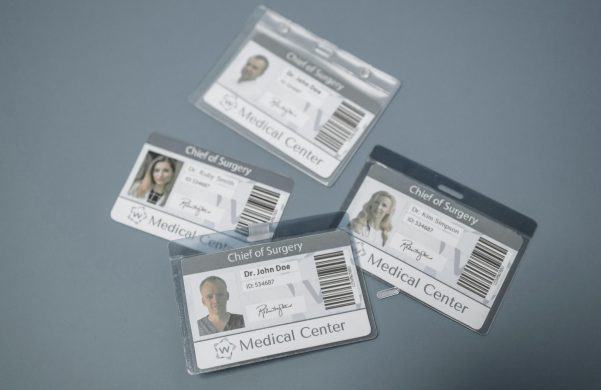
Digital security checks are getting stricter. Rising fraud, especially using new AI tools, means more people are being asked to prove who they are online.
For many in the lesbian and LGBTQ+ community, this can create real challenges. If your legal ID doesn’t match your lived name or gender, account verification suddenly becomes more than routine paperwork.
What used to be a simple step now causes delays, denials, or even blocks from essential services. This article explains how changing verification rules affect people whose documentation doesn’t reflect how they live and identify, and why these mismatches matter more than ever.
Mismatch moments: when systems don’t recognize you
For many lesbians, nonbinary, and transgender people, trying to verify an account with an ID that doesn’t match their lived name or gender can be unexpectedly difficult.
Automated systems are quick to flag any mismatch, which can suddenly freeze access to everyday services. Opening a bank account, accessing healthcare, or even joining online communities gets complicated when your documentation lags behind who you are.
Small tasks like signing up for streaming apps or registering on international sites — including platforms discussed in research on asian bookies — can become sources of anxiety or outright rejection.
These moments pile up, and the impact goes beyond a blocked account. The process can feel like a signal that you don’t belong and can push people out of digital spaces entirely.
- Access to financial services may be delayed or denied
- Account creation on popular platforms can stall
- Participation in forums, games, or apps is sometimes cut off
The friction isn’t just a paperwork issue — it disrupts daily routines and can instantly raise doubts about being seen and accepted, both online and off.
Why verification is getting tougher
That growing sense of friction isn’t happening by accident. Verification systems are reacting to a flood of new digital fraud tactics that are far more sophisticated than in the past.
AI-generated deepfakes and fast-evolving face swap tools now make it much easier for criminals to get around older checks. These technologies can mimic someone’s face or voice with unsettling accuracy.
To fight back, companies and agencies have started requiring stricter forms of proof. Today, you’ll often be asked for a live selfie, a scan of your ID, or even a quick biometric check before you can move forward.
- Biometric scans compare your face or fingerprint to your ID
- Instant document checks look for signs of tampering
- Real-time video prompts help confirm you are present
So far, these efforts have made a real difference. Biometric verification alone has cut fraudulent activity by about 50 percent in just the first half of 2023, according to recent reports like Biometric verification fraud reduction.
But for anyone whose legal details don’t match their lived reality, these tools can flag false mismatches. The push for stronger security is real, but it comes with a rising risk that legitimate users get locked out for reasons that have nothing to do with fraud.
What happens when you’re flagged
When a verification system flags your account, the consequences can be immediate and far-reaching. You might suddenly lose access to your online accounts, have funds frozen, or be asked to submit extra paperwork that drags out the process.
For people whose names or gender markers don’t match across documents, this isn’t just a one-time headache. Each alert or denial can interrupt daily life. It’s not just about logging in — it can mean being locked out of online banking, missing out on work opportunities, or even struggling to rent an apartment.
The numbers make it clear that this isn’t a rare glitch. In the U.S., the E-Verify system handled over 48 million cases and flagged more than 700,000 mismatches in a single year. These aren’t just statistics; each one represents a real person suddenly forced to prove who they are, sometimes over and over again.
Common impacts include:
- Temporary account freezes or permanent lockouts
- Delays or denials in accessing essential services
- Stressful appeals and documentation requests
- Breaks in financial stability or social participation
For those in the lesbian and LGBTQ+ community, the stakes are higher. Every failed check is a reminder of systems that don’t fully see or support their lived identity. That sense of exclusion can ripple out, affecting confidence and connection in everyday life.
Adapting to new verification risks
This experience of feeling unseen is pushing institutions to rethink how they verify identity. Businesses and government agencies are caught between blocking fraud and making sure no one gets left out.
Recent security upgrades focus on stopping deepfake and AI-driven attacks, which are growing much faster than before. For example, face swap attacks have jumped by over 700% in just a few months, forcing companies to act quickly.
To keep up, some organizations are testing new systems that offer both stronger protection and more flexibility for users. These pilots aim to let people verify who they are, even if their documents don’t match perfectly.
Emerging solutions often include:
- Adaptive verification methods that look beyond strict matches
- Privacy safeguards to protect sensitive data
- Options for users to explain or update personal information
- Clearer processes for resolving mismatches quickly
Insights from the latest Identity verification AI impact report show how fast fraud tactics change, and why flexible systems matter. As verification gets tougher, the goal is to build security that doesn’t leave out those whose lives don’t fit the standard forms.
Looking forward: making verification work for everyone
Building digital trust means more than stopping fraud—it means making sure every person is seen and respected by the systems they use.
Research shows that solutions are most effective when they address the real reasons mismatches happen, not just the technical loopholes fraudsters use.
For verification to truly work, it needs to:
- Account for the different ways people live and identify
- Include flexible review for flagged cases
- Build policies that support rather than exclude
- Educate staff and the public on identity realities
Listening to those most impacted by mismatches—especially in LGBTQ+ and other marginalized communities—should inform every step forward.
As verification technology evolves, so should its commitment to fairness, making digital spaces safer and more welcoming for all.


